Skip to content

30 years on the hills of Etyek

The story of the winery

Wine, as I would later understand, is liquid memory. — Carlos Coelho

Milestones

1979

Prologue — The first glass

The first glass — Buenos Aires

I was thirteen years old in Buenos Aires when my father poured me my first glass of wine. Not as a ceremony, not as initiation, but as something self-evident. He introduced wine not as alcohol, but as presence.

That was what wine meant: sitting at the table, watching, learning when to speak and when to be silent.

I didn’t yet know that one day it would become my language, my refuge, my inheritance. Wine, as I would later understand, is liquid memory.
1996

I — A Friday in Eger

A Friday in Eger

In the spring of 1996, my then-girlfriend Zsuzsanna Varsányi — still one of my closest friends today — and I drove to Eger looking for wine, for tastings, for discovery. A Friday in May, full of curiosity.

Nothing was open. Hungarian cellars at the time were not hospitality venues; wine was made privately, often kept secret. We knocked, waited, asked. No welcome, no glass, no conversation.

The next morning Géza, Zsuzsi’s father, listened patiently to our disappointment, then said quietly: “If you love wine that much, there’s a beautiful wine region right next to Budapest. It’s called Etyek.”

That sentence changed my life. By that afternoon Zsuzsi and I were on Öreghegy. An old woman was hoeing her vineyard, with a simple sign next to her: For sale. We went down to her small cellar; she poured us wine. It was extraordinary. Alive. I tasted it and felt something unmistakable: recognition. I turned to Zsuzsi and said: “Let’s make wine!”

This wasn’t a plan. It was a manifesto.

1997

III — A hill, a handshake

Nineteen plots on Öreghegy

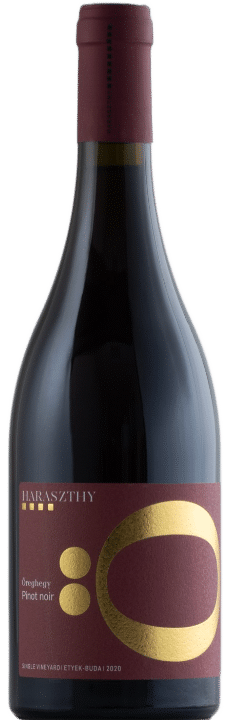
I understood immediately that wine doesn’t tolerate arrogance. Over years I gathered 19 small adjacent plots on Öreghegy — piece by piece, as the land allowed itself to be gathered.

I called Ricardo González, my father’s close friend and then-head of Lagarde winery, and he came to Hungary. Together we met two people who would shape the soul of Haraszthy: Szabó György — known to all as Gyuri bácsi — alchemist, inventor of Traubisoda, lover of wine; sitting with him over a glass felt like history coming alive. And Báthory Tibor, 1992 Winemaker of the Year, whose Chardonnays were once served to Queen Elizabeth II.

One afternoon, after long conversations and many glasses, Gyuri bácsi said: “Carlos, I like your energy. I want you to succeed in Hungary.” He proposed a handshake deal: he would lend me a young winemaker; he would create a wine to launch my reputation. In return, I would pay that winemaker an enhanced salary for three years so he could retire with dignity.

The wine was a Muscat Cuvée — and the deal became Haraszthy’s ethical cornerstone.

1998

V + VI — A name, and the impossible

A name before the stone — and a Tuscan village in Sóskút limestone

How do you name a dream? I wanted to honour the founders of California’s wine culture: Ágoston Haraszthy and Mariano Vallejo. The winery was first called Haraszthy Vallejo Pincészet.

By the fourth year a market study returned an answer that was unmistakably Hungarian: “We adore Haraszthy. But who the hell cares about Vallejo?” We listened — and so Haraszthy Vineyards was born.

We started building in 1998 on land with no water, no road, no electricity, no sewage. Just earth and conviction. When I laid the first stone of the dry cellar, my mother said with a smile: “Carlitos, you’re building the Duomo of Milan in Etyek!”

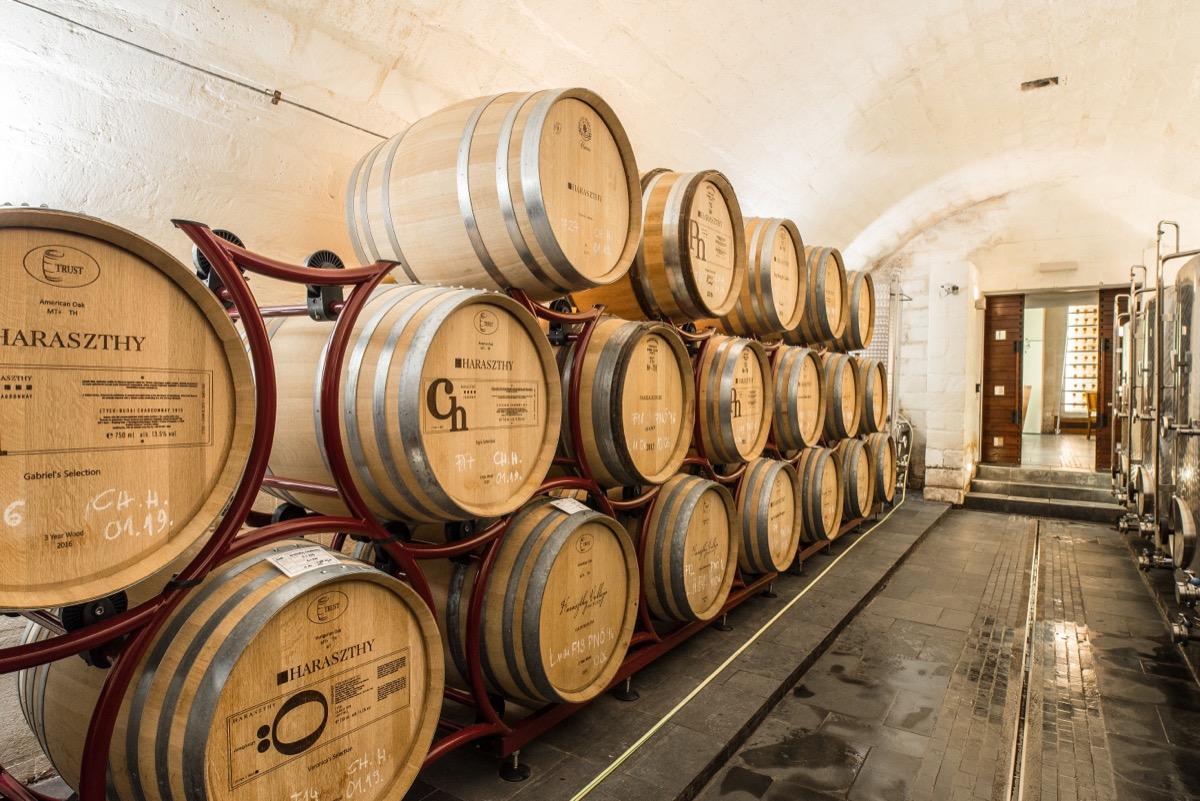
We designed a 25 000-litre cellar with three rooms: the dry cellar, the wet cellar, and a Knights’ Hall — not for commerce, but for sharing wine.

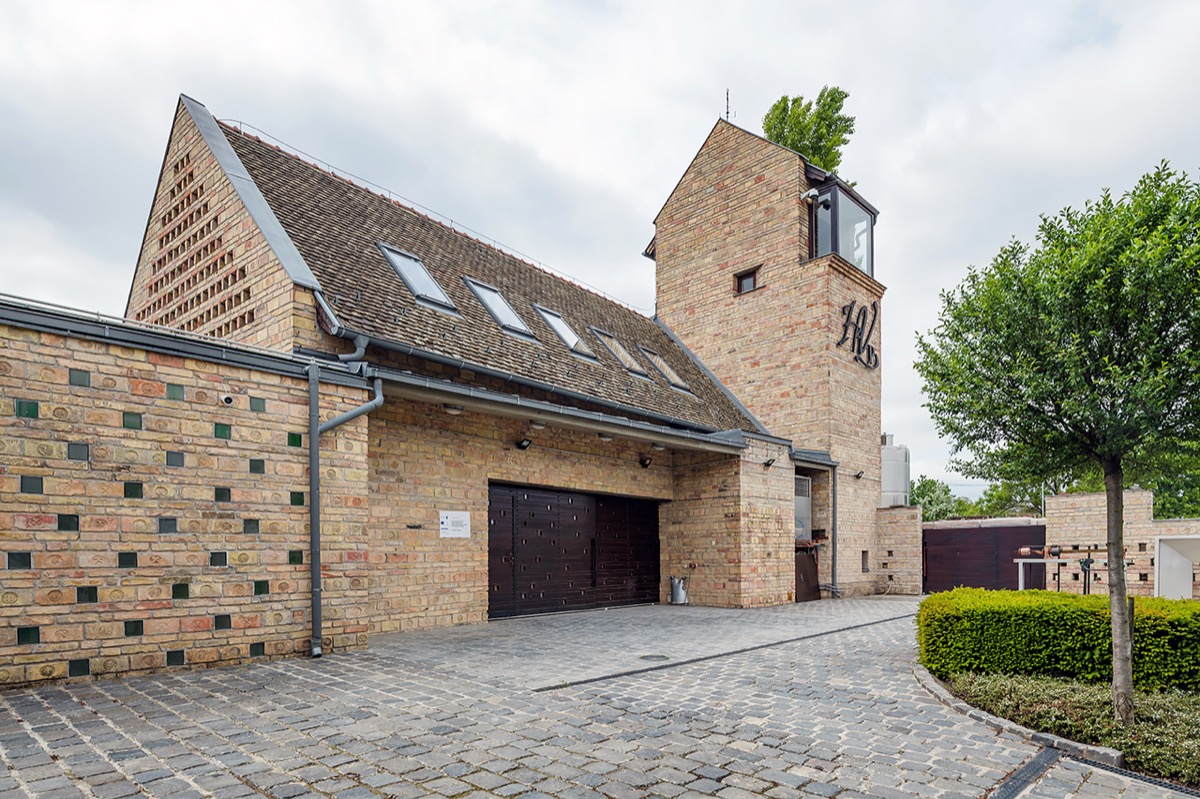
Architect Ferenc Schüller envisioned a Tuscan village rising organically from Hungarian soil, in Sóskút limestone. The square — repeated in fences, walls, doors — became a window for curiosity, our quiet brand symbol. The cross-pattern iron studs on the doors are a folk-belief guard: cold iron drives away dark forces.

2000

VII — First roots

By hand, from Abasár

Zsuzsi and I drove to Abasár for our first vines: Pinot Gris, Chardonnay, Sauvignon Blanc, Zenit. We planted them with our own hands, taming the scale of what we had taken on with one or two glasses of pálinka in the evenings.

Those vines are still alive. They live on in the Öreghegy Cuvée — the wine that remembers our beginnings.

In 2000 we finally started making wine. The bureaucracy was overwhelming; permits, paperwork. We had to sell an average of 65 bottles a day of a product nobody knew. That’s when I made a decision: from this point on I would devote myself to what gives my life meaning. Wine became my daily nirvana.

2003

VIII — Dániel

A wizard arrives

In 2003 Gyuri bácsi brought me a young man: Dániel Pázmány.

Dániel was, and is, a wizard. His instinct, discipline and sensitivity to wine reshaped Haraszthy at the foundations. His wife Andrea and later their children became family. For 23 years now we have worked side by side, with respect and creativity.

In 2004 came the first milestone: a Zenit–Királyleányka blend won the prestigious “Wine of the City of Budapest” award. Nobody knew us. People whispered: “This Carlos guy is crazy.” They tasted the wines. The whispering stopped.

2006

IX — Cinnamon, filmmakers, life

A restaurant — and Ron's key

In 2006 we built the second building and opened our first restaurant. My first chef and mentor, James McClure, suggested the name Cinnamon. It was an immediate success. At opening night Adam Goodman said: “I give this guy a year, max.” He’s still a regular today.

Around the same time the nearby Korda Studios opened. Our cellar became a meeting place for filmmakers, actors, producers. Benicio del Toro, Adam Goodman, Ron Perlman — Ron spent an entire summer at the winery with his dog. I gave him a key.

Wine, when shared honestly, dissolves hierarchy.

2007

XI — Sir Irsai

The Pipi de Dios

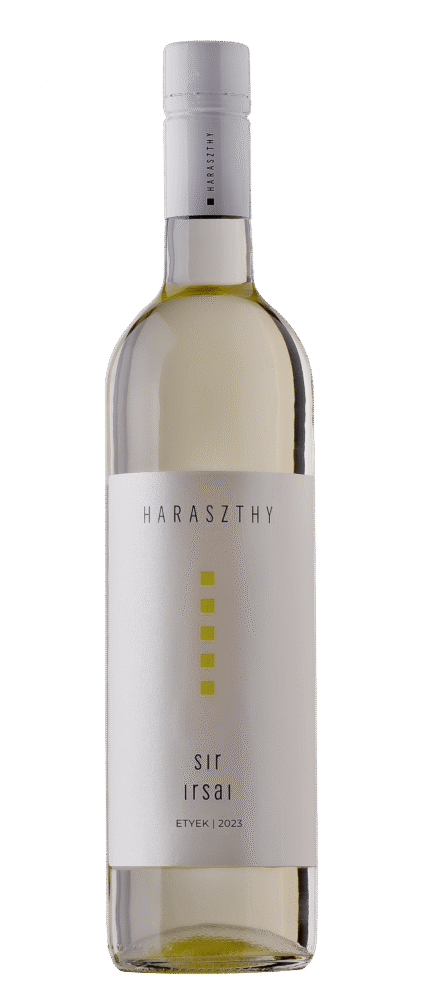
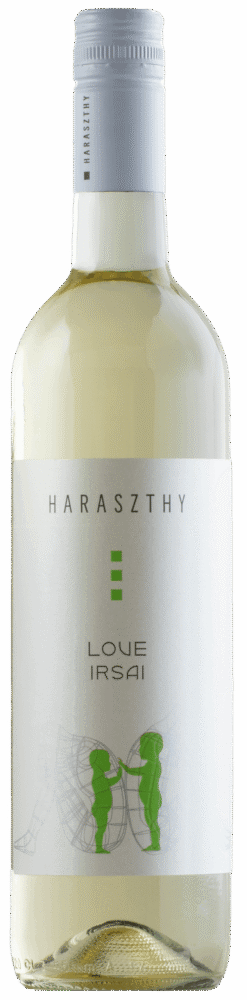
In 2007 Dániel created the Sir Irsai — a light, vibrant wine, no more than 11.5% alcohol. A wine born to live across generations.

My father — a deeply, poetically Catholic man — smiled and gave it a name only he could give: “Pipi de Dios” — God’s holy water. We came from a deeply Catholic family: his brother was a priest, his sisters all nuns. Such words were never spoken lightly. Sir Irsai became Haraszthy’s holy water — a sacred fluid we share at home, not at church.

Today we make over 200 000 bottles a year of this blend — Muscat Ottonel, Cserszegi Fűszeres, Irsai Olivér, and a few small secrets. I never counted the awards. The greatest recognition arrived in another form — Arnold Schwarzenegger visited Hungary, held a bottle in his hand and declared publicly: “This is my favourite Hungarian wine.”

2011

XII — Sauvignon Blanc

A New Zealand evening in Los Angeles

In 2011, in Los Angeles, my wife Ingeborg made a remark that quietly changed our direction: “I’m tired of always drinking our own wine. Could you bring something really special tonight?”

I drove to Bristol Farms at the corner of Sunset and Fairfax; Antonio, the wine specialist, smiled: “Don Carlos — take this. It’s fantastic.” Ingeborg fell in love with a New Zealand Sauvignon Blanc and said: “We have to make this in Hungary.”

Our first attempt was undrinkable. We learned. We partnered with Rauscedo; on a decisive nine-o’clock morning we tasted through 42 different samples. We chose only those that could shape a new era for the estate.

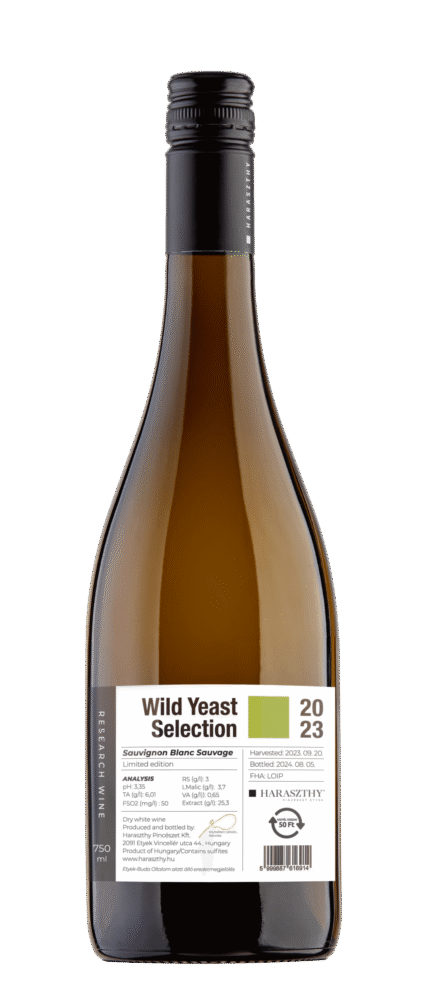
It exists today in three forms: a base wine, a dedicated label for restaurants and hotels, and a Wild-Yeast Selection with clone-specific fermentation. We’re now one of Hungary’s largest Sauvignon Blanc producers.

That was when we formulated our second guiding principle: quality wines at honest prices.

2015

XIII — The Haraszthy Estate

123 hectares along the Vál ridge

In 2015 we bought 123 hectares of land in Vál, stretching nearly eight kilometres along the ridge. The estate is run by Sándor Kollai, whose story is inseparable from ours.

We met in 2010. Sándor — agronomist, dry-witted, finishing his last year at the University of California. One day he literally jumped the fence of my Santa Ynez ranch and introduced himself with unforgettable simplicity: “I’m Hungarian. I can take care of your Hungarian land.”

He told me he was in love with a woman named Sári — beautiful, he was proud to say — and that he wanted to come home. Then: “Do you think you could give me a job?” I answered just as simply: “Go see Dániel. If he says yes, you’re in.” He was in.

Estates aren’t defined by hectares — they’re defined by the people who walk them every day.

2016

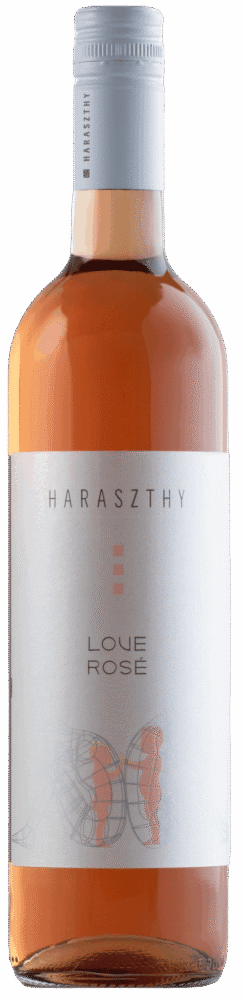
XIV — LOVE

A sculpture's journey

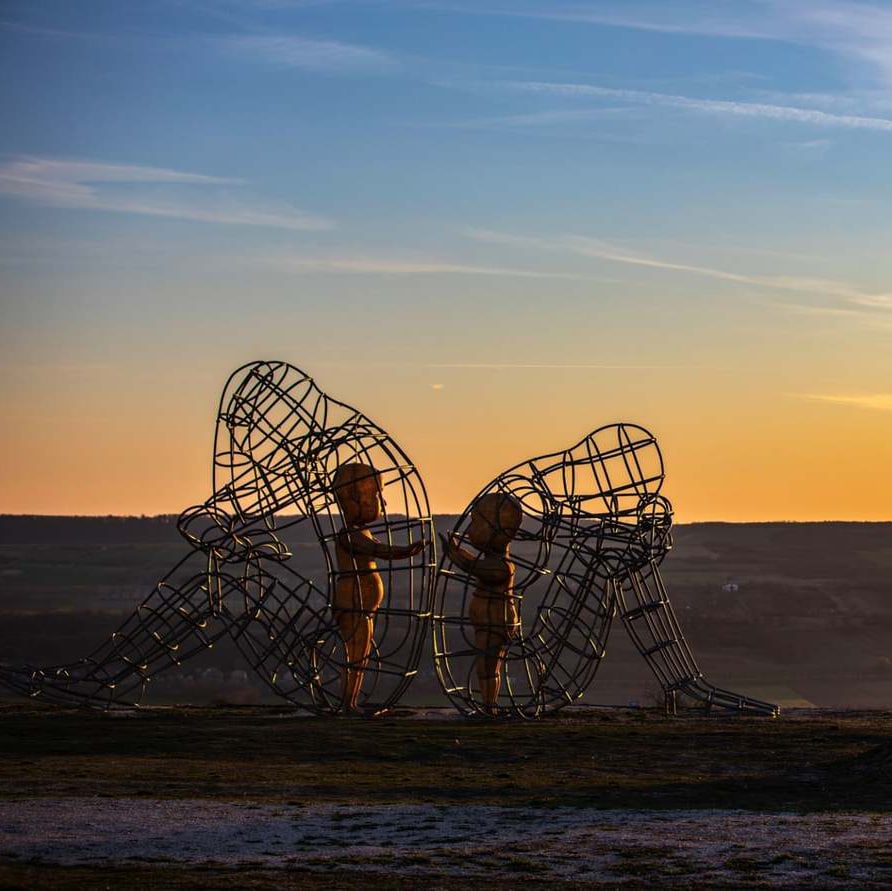
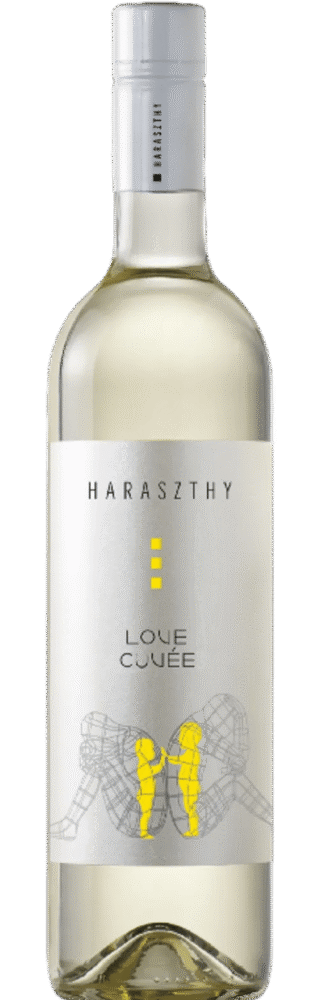
In 2016 I came across the photo of a sculpture on Facebook. Its title: LOVE — a man and a woman seated back to back, the children inside them reaching for each other. Immediate, unmistakable recognition.

Ingeborg looked at me: “You’re inside every dream of yours. If you want it, buy it.”

After a long search I reached Alexander Milov. The sculpture was supposedly under contract with the Trump Foundation; Trump was busy with his campaign and the contract was never finalised. On December 24th my phone rang: “Carlos — the sculpture is for sale. I need money to buy an apartment for my family.”

I bought two flights. LOVE was disassembled in the Nevada desert, shipped to San Francisco, sent to Odessa for restoration, and brought to Hungary. Haraszthy brought LOVE to Hungary.

Today the sculpture stands among our Vál vineyards, open 24 hours, welcoming thousands every year. Twice a year I personally light a great fire beside it — in the name of love. Because love, like wine, is meant to be shared.

2018

XV — Matador

Glass roof above the vines

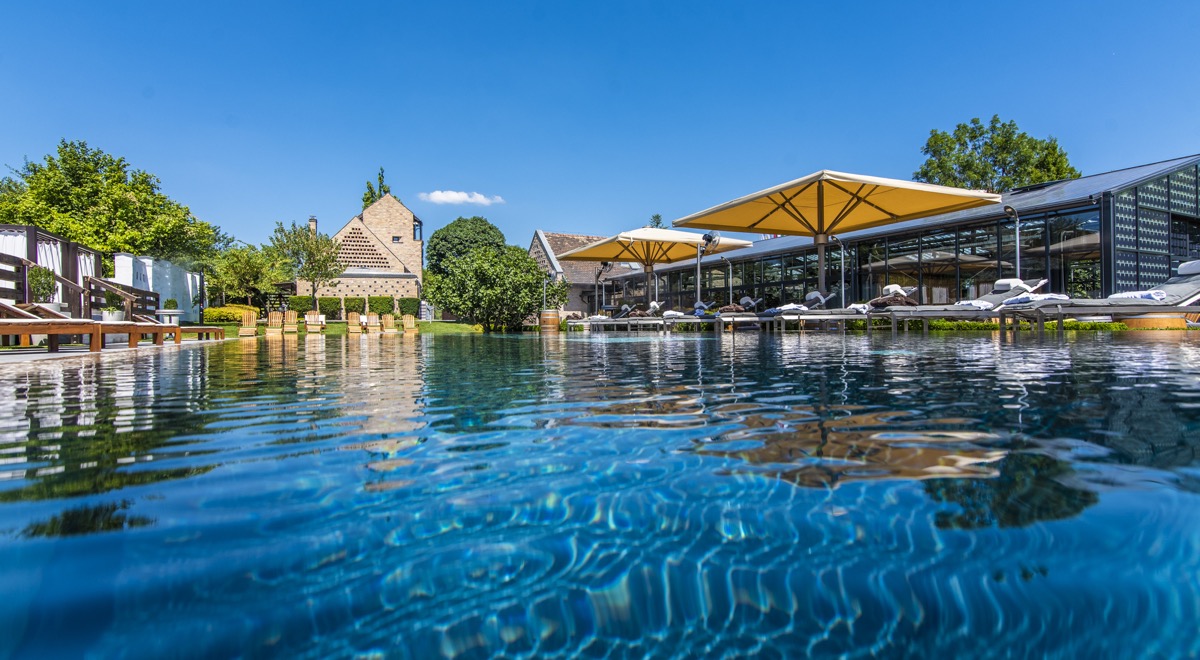
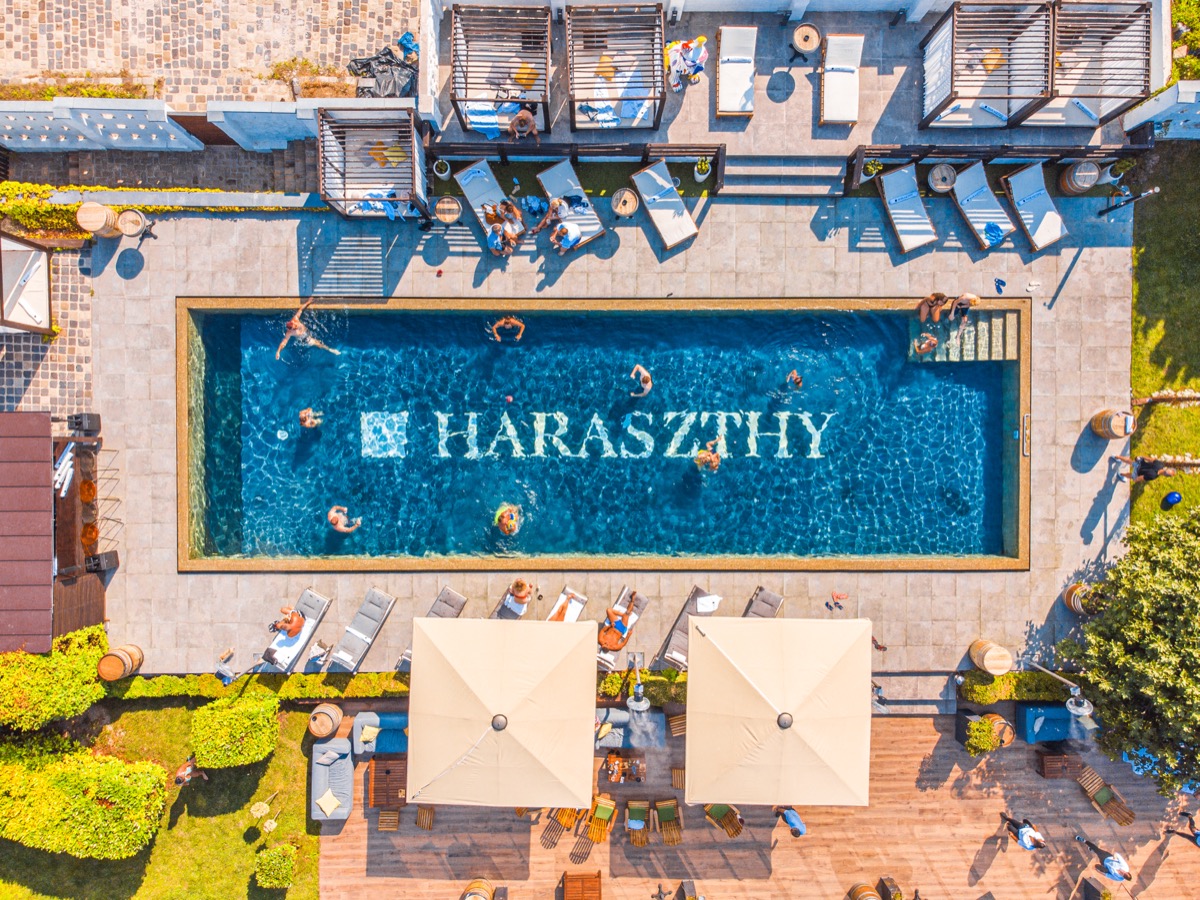
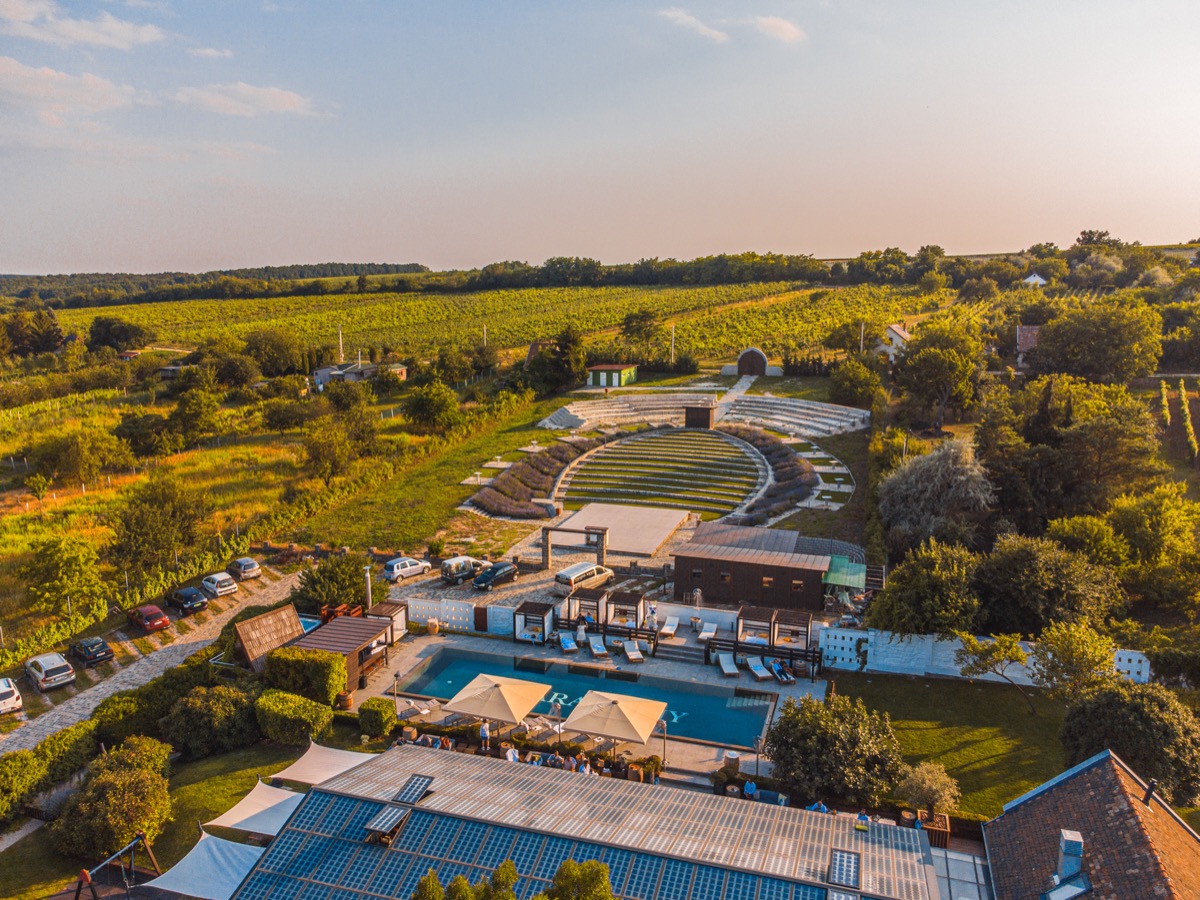
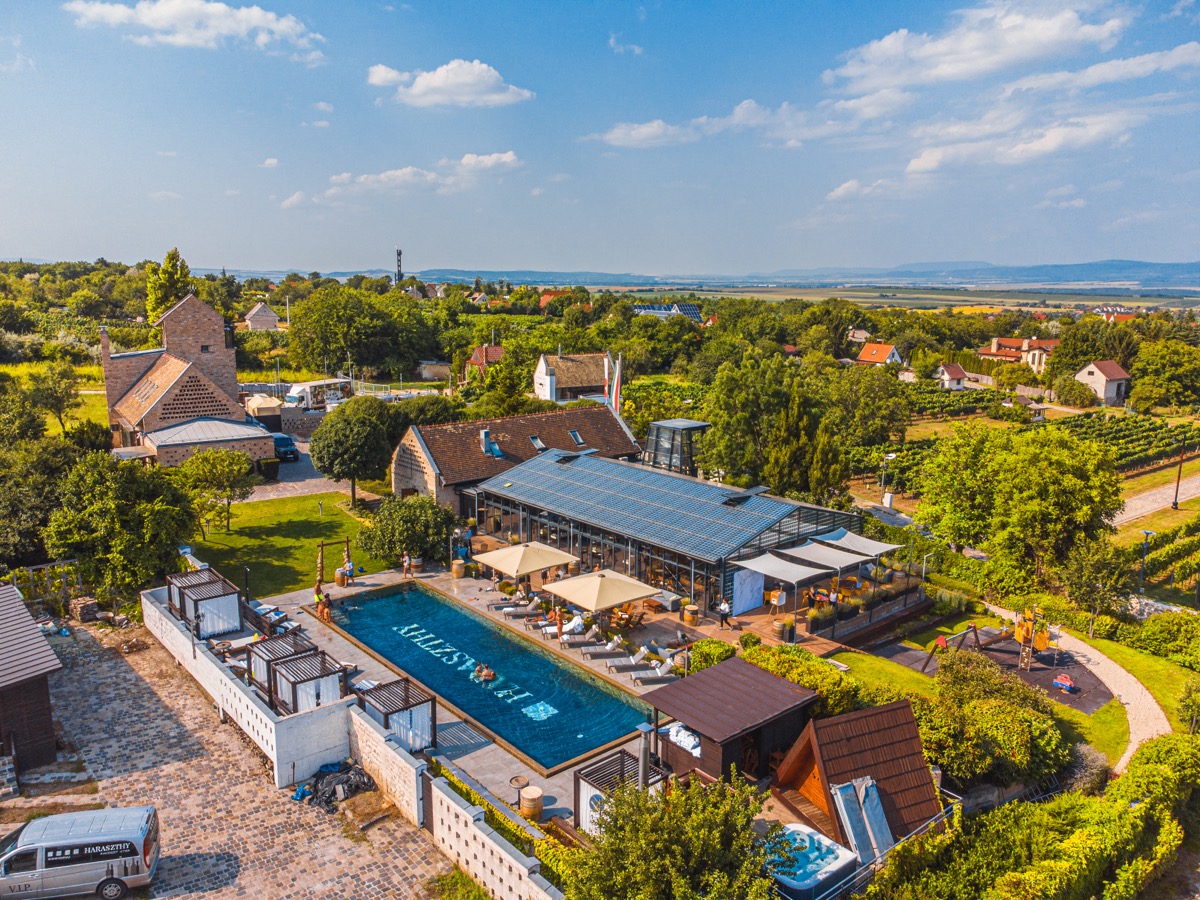
In 2018 we repositioned the Etyek restaurant. Our goal: turn the estate into an all-day destination, where guests live food, wine and vineyard as one coherent experience.

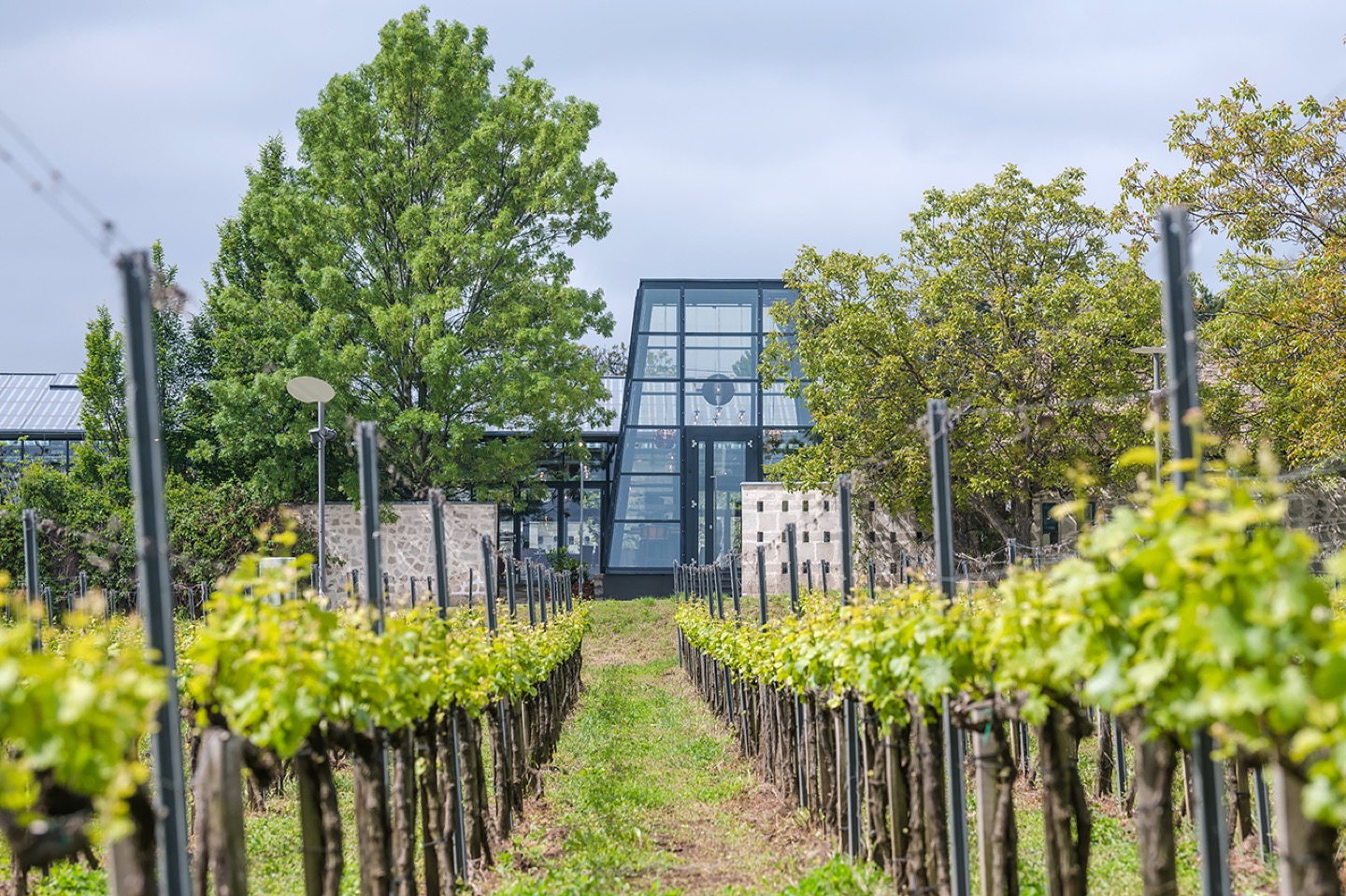
Schüller designed the glass roof structure that put architecture in direct conversation with the surrounding vineyards. The project won an architecture prize.

The new layout and modernised facilities significantly expanded our capacity for weddings, corporate events and private gatherings. Today, Matador is one of the region’s leading wine and gastronomy destinations.

Matador restaurant (külső oldal)

2020

XVI — Aquarius

Late harvest under Aquarius

In a single week of 2020, my life changed forever. My mentor — confidant, business partner, life partner — passed away. Just two weeks later my first granddaughter, Viktória, was born; today I lovingly call her my accomplice.

Days later COVID broke out and the world stopped. Unable to travel, I dove into a new project. Birth and loss, continuity and fragility, past and future collided — under a moon in Aquarius.

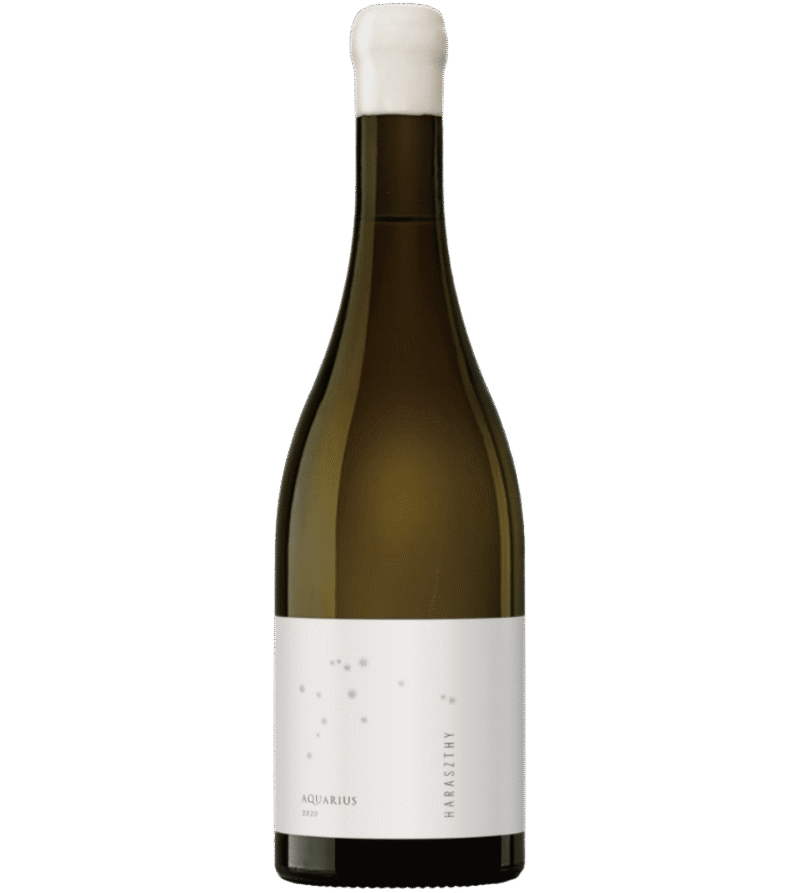
So Aquarius was born: a late-harvest Zenit, a tribute to life, death, and resilience. It honours an indigenous Hungarian variety — the same one that brought us our very first award.

The name came from my stepdaughter, Viktória’s mother — closing a circle between generations, memory and hope.

2025

Epilogue — What this really is

Hungary's most beautiful estate

When I walk among the hills of Haraszthy, I’m always reminded why I started down this road. The carefully tended rows, the quiet beauty of the cellar — all of it whispers that wine is much more than a drink. To be truly born, it needs the soul of a place.

That’s why it was a special moment to hear that Haraszthy had won the title of “Hungary’s most beautiful estate.” Not for the prize itself — but because it confirmed everything I have always believed.

This is not just my story; it’s the story of 30 years of Hungarian temperament, Argentinian passion, persistence and love. Let’s raise a glass — to the past, the present, and the countless vintages still to come.

— Carlos Alberto Coelho